Gutters are a small yet critical component of your home’s roofing system. They protect your property from water damage by directing rainwater away from the foundation, siding, and landscaping. But over time, gutters wear down due to weather, debris, and age—making home gutter replacement a necessary investment. To ensure a smooth process, here are expert tips to guide you from planning to installation.
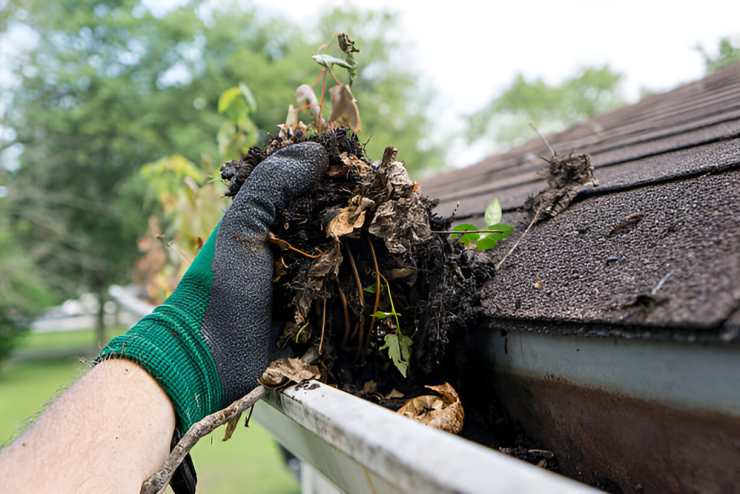
When Should You Replace Your Gutters?
Before diving into the replacement process, it’s essential to recognize the signs that your gutters are due for an upgrade:
- Cracks or splits in the gutter material
- Rust, corrosion, or peeling paint
- Water pooling around the foundation
- Sagging or pulling away from the roofline
- Frequent clogs or leaks even after cleaning
- Mold or water stains on siding or fascia
If your gutters show any of these issues, it’s time to consider a full replacement instead of temporary repairs.
Expert Tips for a Seamless Gutter Replacement
1. Choose the Right Material
Gutters come in various materials, each with its own benefits:
- Aluminum: Lightweight, rust-resistant, and affordable
- Copper: Durable and visually appealing, though expensive
- Vinyl: Low-cost and easy to install, but less durable
- Steel: Strong but prone to rust without proper coating
Match the material to your budget, climate, and style preferences.
2. Go Seamless for Long-Term Performance
Seamless gutters are custom-fitted to your home, reducing the risk of leaks and clogs. They’re made from a single piece of material and installed without joints along the run—making them more durable and easier to maintain than traditional sectional gutters.
3. Ensure Proper Sizing and Pitch
Incorrect gutter sizing or pitch can lead to overflow and water damage. Professional installers will assess your roofline and ensure:
- Correct gutter width (typically 5” or 6”)
- Proper slope for optimal water flow
- Adequate downspouts for drainage needs
4. Consider Gutter Guards
To minimize debris buildup and maintenance, install gutter guards or covers. These help keep leaves, twigs, and pests out of the system, extending the life of your new gutters.
5. Hire a Licensed and Insured Contractor
A DIY approach might save money upfront, but professional installation ensures long-term results. Choose a licensed and insured gutter contractor with solid references, warranties, and experience in your area.
6. Schedule Installation During Mild Weather
Plan your gutter replacement during dry, moderate seasons (spring or fall) to avoid delays and ensure proper sealing and fitting.
7. Inspect Fascia and Soffit
Before installation, inspect the wood behind your gutters. Rotting fascia or soffit boards should be repaired or replaced to provide a stable base for your new gutter system.
Final Thoughts
Replacing your home’s gutters may not be glamorous, but it’s essential for protecting your investment. By choosing quality materials, hiring experienced professionals, and understanding the process, you’ll enjoy a seamless gutter replacement that boosts curb appeal and safeguards your home from water damage for years to come.
About the Author