The functionality and longevity of a flat roof are highly dependent on regular maintenance and timely repairs. Flat roofs are a popular choice for many commercial and residential buildings due to their cost-effectiveness and modern aesthetic. However, they require specialized care to prevent issues such as leaks, drainage problems, and structural damage. Understanding the best practices for maintaining and repairing flat roofs can save property owners time and money in the long run. This article delves into expert advice and strategies for maintaining and repairing flat roofs to ensure they remain in optimal condition.
Understanding Flat Roof Maintenance
Regular maintenance is crucial to extend the lifespan of a flat roof. Here are the key aspects of effective maintenance:
- Routine Inspections: Conduct visual inspections at least twice a year and after major weather events. Look for signs of wear and tear, such as cracks, blisters, or pooling water.
- Debris Removal: Clear debris like leaves, branches, and dirt to prevent blockages and ensure proper drainage.
- Check for Ponding Water: Ensure that water does not accumulate on the roof’s surface, as this can lead to leaks and structural damage over time.
- Inspect Seals and Flashing: Check the seals around vents, skylights, and other roof penetrations for any signs of damage or deterioration.
For more detailed maintenance strategies, discover expert strategies here.
Flat Roof Repair Techniques
Identifying Common Issues
Flat roofs, while durable, can encounter several common issues that require attention:
- Leakages: Often caused by punctures or cracks, leaks are one of the most frequent problems and need immediate repair to prevent further damage.
- Damage to Membrane: The roofing membrane can suffer damage due to weather elements or mechanical stress, necessitating timely repairs.
- Structural Issues: Poor drainage or heavy loads can lead to structural concerns that require professional evaluation and repair.
For a comprehensive guide on addressing these issues, learn about our tailored solutions.
Repair Solutions
Effective repair strategies involve a few critical steps:
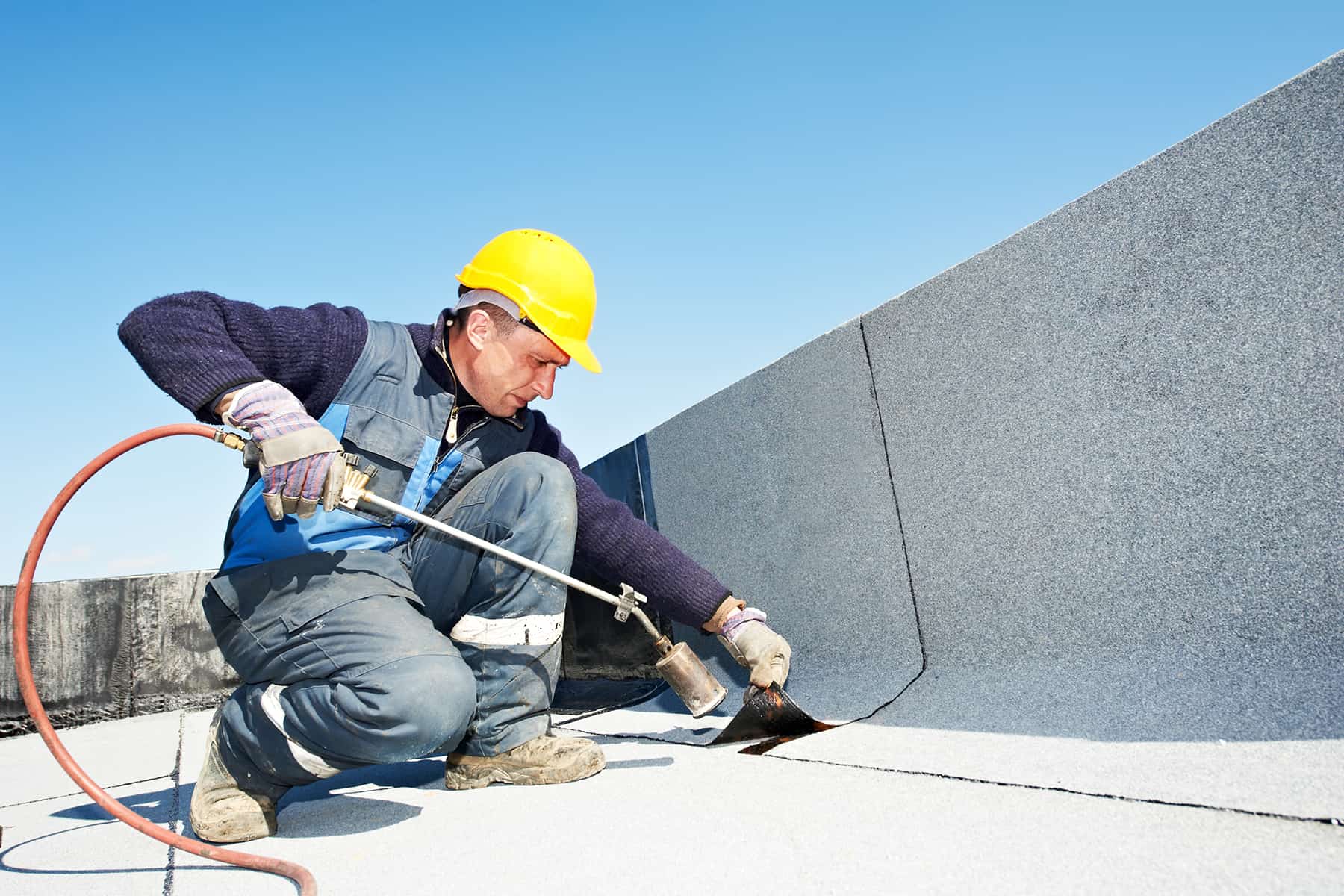
- Patching: Small punctures and cracks can often be repaired with patches, using materials compatible with the existing roofing system.
- Resealing: Resealing seams and flashings can prevent moisture ingress and extend the roof’s life.
- Replacing Damaged Sections: In cases of extensive damage, replacing portions of the roof may be necessary to restore its integrity.
To explore advanced guides and tips on flat roof repairs, explore advanced guides and tips.
Benefits of Professional Services
Engaging professional services for flat roof maintenance and repairs offers significant advantages:
- Expertise: Professionals possess the skills and knowledge required to diagnose and address complex roofing issues efficiently.
- Quality Materials: Access to high-quality materials ensures long-lasting repairs and installations.
- Safety: Professional roofers adhere to safety standards, minimizing the risk of accidents during maintenance or repair work.
- Cost-Effectiveness: While initial costs may seem higher, professional services can prevent costly future repairs.
For more information on professional flat roof services, find out more about this approach.
Conclusion
Maintaining and repairing flat roofs requires a combination of regular inspections, timely interventions, and professional expertise. By following the outlined strategies and seeking expert assistance when needed, property owners can ensure that their flat roofs remain functional, safe, and aesthetically pleasing for years to come. To delve deeper into flat roof maintenance and repair techniques, consider exploring resources available online for comprehensive, expert guidance.
About the Author